
What Actually Helps Night Sweats: An Honest Guide

- Nothing here changes the hormonal signal. It changes how long you stay hot and wet afterwards.
- Alcohol is the most reported trigger, and it costs you twice: vessels widen, then the second half of the night fragments.
- Of the non-drug options, the best evidence belongs to CBT adapted for menopause, not to any supplement.
- Moving air beats a colder thermostat, because sweat cools you by evaporating.
- Decisions made at 3am are bad decisions. Make them at 10pm and keep the kit within arm's reach.
- First: when to talk to a doctor
- How to deal with night sweats day to day
- Natural remedies: what's real and what's noise
- Night sweat remedies for menopause: setting expectations
- What helps night sweats most: your bedroom setup
- Fabrics: the biggest lever you actually control
- The 3am protocol
- How to wash sweat smell out of bedding
- The sleep routine that helps
- FAQ
What helps night sweats is less exciting than the internet suggests: a cooler room, bedding you can strip a layer from in the dark, fabrics that move moisture instead of holding it, an evening routine that avoids the usual triggers, and a plan for the moment you wake up soaked. If yours are severe, medical options exist and are worth asking about. What follows is the practical layer, including the part almost nobody writes down: what to do at 3am.
First: when to talk to a doctor
Most night sweats in women in their forties and fifties are vasomotor symptoms of perimenopause, and the pattern is recognizable: they arrive alongside daytime hot flashes and changing periods. Some presentations need a proper look first.
Make an appointment if you notice:
Make an appointment if you notice: drenching sweats with unexplained weight loss, fevers, a persistent cough or swollen glands; night sweats that started before age 40 or years after your periods stopped; sweats that began within weeks of a new medication, including antidepressants and some diabetes drugs; loud snoring, gasping, or waking unrefreshed even after uninterrupted nights; heavy or irregular bleeding alongside them; or months of broken sleep affecting your mood, work or driving.
Thyroid problems, low overnight blood sugar, infections and anxiety can all produce night sweats, and a doctor can sort through it quickly. Take a two-week log: how many episodes, how severe, what time, what you ate or drank that evening. It also makes the conversation about prescription and non-hormonal options more productive.
This article is for general information and isn't medical advice.
How to deal with night sweats day to day
How to manage night sweats starts in the twelve hours before bed, not in bed.
Alcohol is the most reported trigger, and the evening glass of wine costs you twice: it widens blood vessels and fragments the second half of your night. Spicy food, caffeine after mid-afternoon and a large late meal all raise core temperature at the wrong time. A hot bath right before bed does the same, although a warm bath ninety minutes earlier can help, because the rebound drop afterwards works in your favor.
Regular exercise is associated with better sleep overall, though a hard session late in the evening can backfire. Smoking is linked to more frequent and more severe episodes.
Slow paced breathing, roughly six breaths a minute, is standard advice at the onset of a flash. It will not shorten the physiology much, but it does stop the panic spiral that keeps you awake for the following hour.
Natural remedies: what's real and what's noise
The natural remedy shelf is crowded, and the honest summary is that most of it rests on weak evidence.
- Black cohosh. The most studied, and the results disagree with each other. Rare reports of liver trouble
- Soy isoflavones and red clover. Small effects at best
- Evening primrose oil, sage. Very little supporting data
- Not automatically safe either: plant estrogens matter after a hormone-sensitive cancer, and several herbs interact with blood thinners, tamoxifen and thyroid medication
- CBT adapted for menopause. It does not reduce how many episodes you get. It consistently reduces how much they bother you and improves sleep
- Clinical hypnosis. Smaller but real supporting data
- Neither is glamorous, and both beat most of what is sold as a natural fix
- Tell your doctor or pharmacist what you take, whatever you choose
Night sweat remedies for menopause: setting expectations
Here is the honest framing on how to reduce night sweats. Nothing in this article changes the hormonal signal that starts an episode. What you can change is how long you stay hot and wet afterwards, how often triggers set one off, and whether waking up means five minutes or ninety.
Most disappointment comes from expecting a blanket or a supplement to do a doctor's job. For the mechanism explained properly, read what's really happening during a hot flash and our main guide to night sweats and menopause.
What helps night sweats most: your bedroom setup
Advice on how to avoid night sweats usually stops at "keep the room cool". Here is the fuller version.
Aim for around 60 to 67°F (16 to 19°C), and cool the room before you get in, not once you are already hot. Moving air beats still cold air, because sweat cools you by evaporating, so a fan on low across the bed does more than a colder thermostat with no airflow.
Two sets of bedding is not a luxury here. It is the difference between changing a sheet at 3am and lying on a damp one until morning. Keep the spare folded on a chair in the room, not in a cupboard down the hall.
Sleep with your feet and hands accessible. They are your main heat exchangers, and uncovering them is the fastest passive way to shed heat. Skip socks, and keep the duvet off the end of the bed.
Fabrics: the biggest lever you actually control
Fabric choice gets one line in most guides, and it is genuinely the largest thing within your control. Cotton breathes well but absorbs moisture and holds it against your skin, so it turns clammy and stays that way. Polyester traps both heat and odor. What you want is a surface that moves heat away and dries fast.
Work in layers, from the mattress up:
| Layer | What to look for | Why it matters at 3am |
|---|---|---|
| Mattress | A cooling pad over foam | Foam stores your body heat and returns it all night |
| Sheets | Smooth, fast-drying, breathable weave | Less dampness held against skin |
| Cover | Something light you can throw off with one hand | You need one movement, not a rebuild |
| Pillowcase | Smooth and low-absorbency | Head and neck sweat first and heavily |
| Nightwear | Light, loose, or nothing | Loose beats clingy every time |
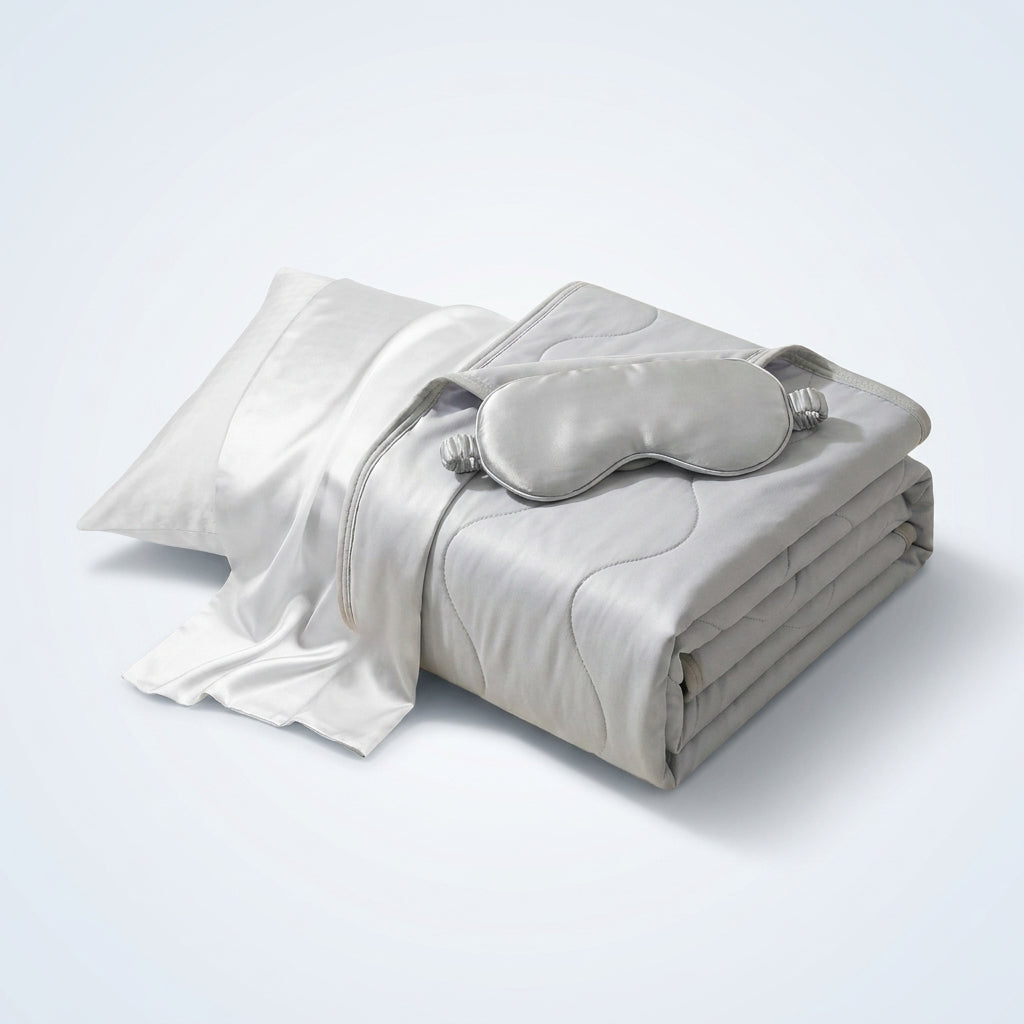
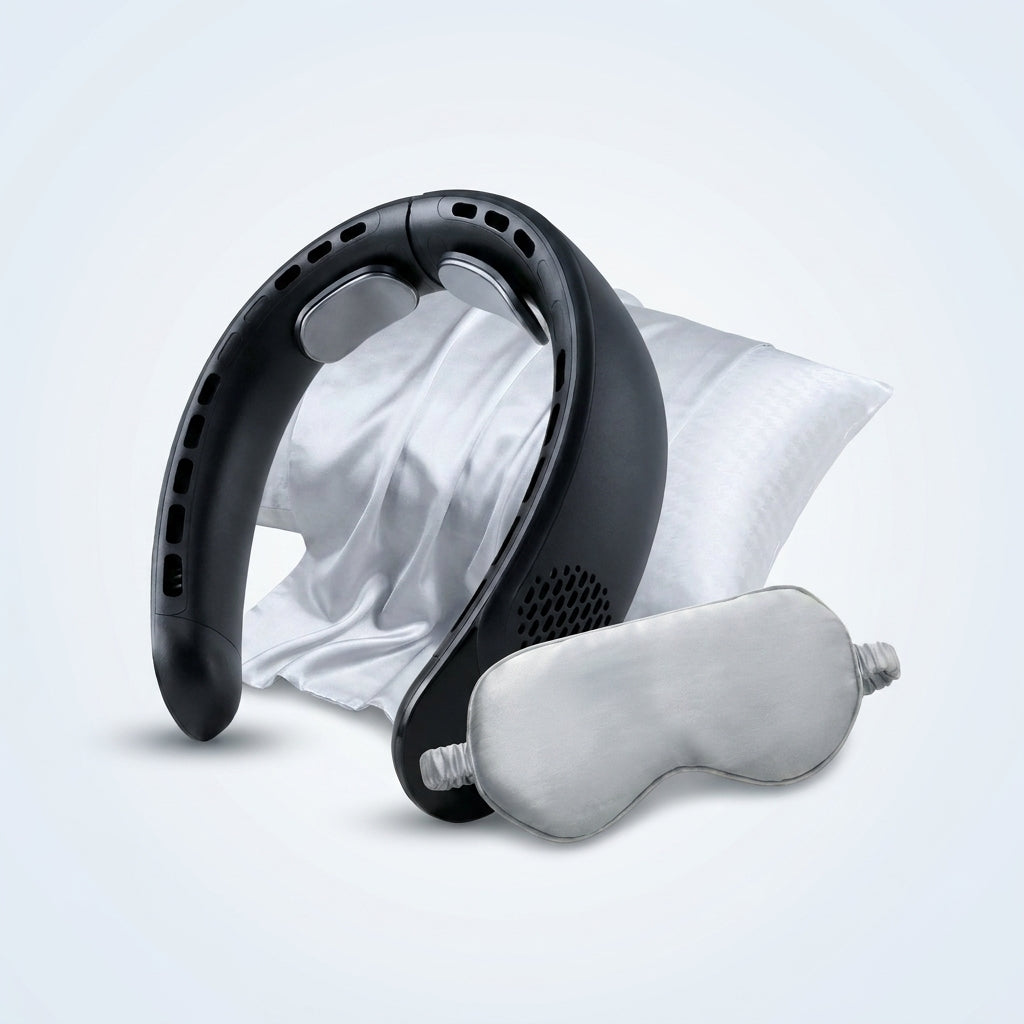
A cooling mattress pad covers the layer people forget, because a foam mattress is a heat store you lie on for eight hours. An ice-silk bedding set gives you a smooth top layer that dries faster than cotton. Both are comfort measures, not medicine, and neither stops an episode starting. Our sleep comfort range and the guide to the best sheets and bedding for night sweats go deeper on materials.
The 3am protocol
This is the part medical sites will not write. When you wake up soaked you need a ninety-second plan, not decisions made while half asleep.
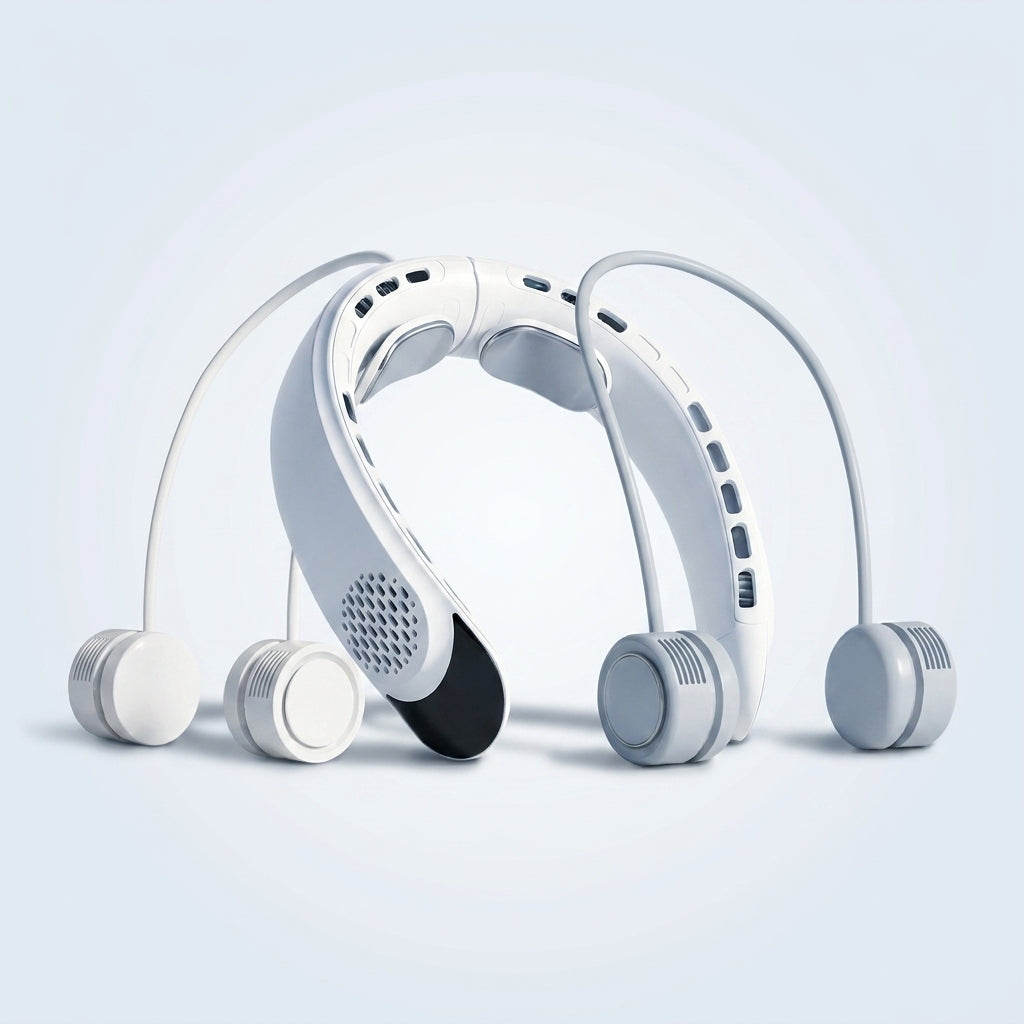
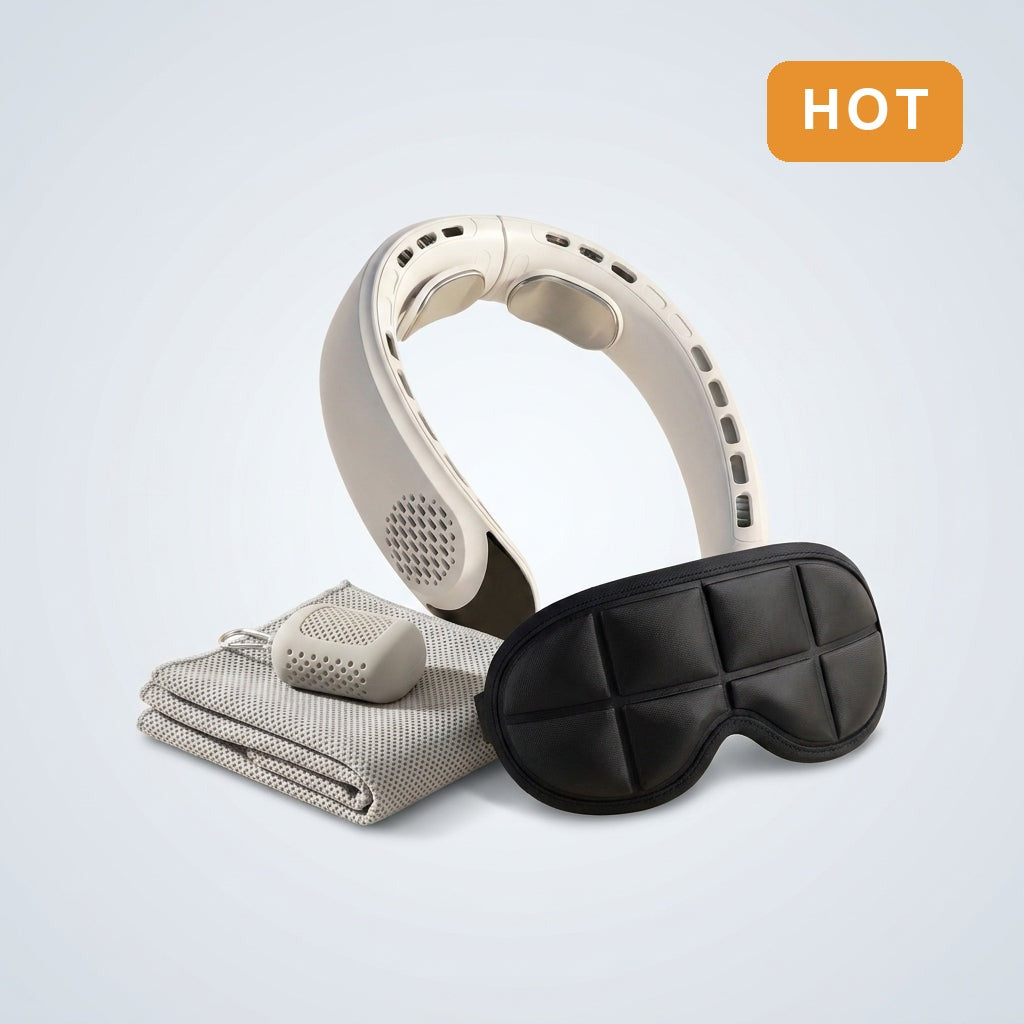
Keep within arm's reach: water at room temperature, a dry cloth or cooling towel for your neck and face, a spare dry top, a hair tie, and a small fan you can switch on without getting up. A dim lamp rather than the overhead light, so you do not signal daylight to your brain.
Layer the bed for stripping. A light cover over a lighter one, rather than one heavy duvet. Tuck nothing in tightly at the foot. The goal is removing a layer with one arm in the dark.
During an episode, in order
- Sit up slightly and push the covers off your feet and forearms first. They are your fastest heat exchangers.
- Sip water and breathe out longer than you breathe in. It will not shorten the physiology much. It stops the panic spiral that costs you the next hour.
- Wipe your neck and the back of your knees.
- Change your top if it is wet. Damp fabric chills you sharply once the flash passes.
- No hot shower, no phone. The light and the scrolling are what keep you awake afterwards.
- Lay a folded dry towel over the damp patch rather than remaking the bed. Sheets can wait until morning.
A word on freezing your pillowcase, which comes up constantly: it works, and it lasts about ten to fifteen minutes. Use it as a bridge through the worst of an episode, not as a solution.

Frost Fitted, ice-bead mattress pad
A foam mattress is a heat store you lie on for eight hours, and it is the one surface no fan and no open window reaches. This is a comfort measure, not medicine. It does not stop an episode starting.
How to wash sweat smell out of bedding
Sweat itself is nearly odorless. The smell comes from bacteria feeding on it and from residue built up in the fabric, which is why old bedding smells the moment you warm it up.
Wash sweat-soaked items reasonably soon rather than leaving them in a heap. Soak stubborn ones for an hour in cool water with half a cup of white vinegar, and use an enzyme detergent. Skip fabric softener: it coats fibers, traps the residue you are trying to remove and reduces breathability. Wash cool, since hot water sets protein stains and yellowing. Never put anything through a dryer while the smell is still there, because heat locks it in. For yellow marks on pillows, an oxygen-based (not chlorine) soak beats bleach. Silk and cooling fabrics need cool water, mild detergent and flat air drying.
The sleep routine that helps
Consistent bed and wake times, a dim hour before bed, and getting up if you are still awake after twenty minutes are ordinary sleep advice, and they matter more when your nights are interrupted anyway. If falling asleep is the harder half, our guide to menopause insomnia covers it. If you overheat outside of menopause too, why you get so hot when you sleep lists the other causes.
FAQ
How do I get rid of night sweats completely?
Usually you cannot without medical input, because the trigger is hormonal. Reducing triggers, cooling the bed and asking your doctor about prescription options are the realistic levers.
How can I reduce night sweats without medication?
Cut evening alcohol, keep the bedroom around 60 to 67°F with air moving, sleep in light loose layers, and use fast-drying bedding. Expect better comfort rather than an end to episodes.
Do cooling sheets and blankets work for night sweats?
They shorten how long you stay hot and damp, and they dry faster than cotton. They do not stop a night sweat starting.
Are natural remedies worth trying?
Black cohosh and soy have modest, inconsistent evidence. Cognitive behavioral therapy for menopause has the best evidence of the non-drug options. Check interactions with your medication first.
Why do I get night sweats if I am not in menopause?
Medications, thyroid problems, infections, anxiety, sleep apnea and a hot bedroom are all common causes. If they are new and persistent, get them checked.
Sources
- National Institute on Aging, Hot flashes: what can I do
- ACOG, The menopause years
- Cleveland Clinic, Menopause, perimenopause and postmenopause
- NCCIH (National Institutes of Health), Menopausal symptoms and complementary approaches
- Cleveland Clinic, Hyperhidrosis
- US EPA, Safer Choice: certified cleaning products
Researched and written by Claire Bennett. This article is for general information and isn't medical advice. Check herbal remedies against your own medication with a pharmacist before starting anything.
Ninety seconds instead of an hour
That is the whole ambition of the kit by your bed. Not preventing the episode, shortening what it costs you. Bundle two or more pieces and the discount applies automatically.
Shop sleep & comfort


