
Hot Flashes: What's Really Happening and How to Find Relief

- Hot flashes happen because your hormones change, and your brain's "temperature settings" get confused.
- The strongest medical option is HRT, it reduces hot flashes by 70-90%. There's also a newer non-hormonal pill called Veozah.
- The biggest triggers for most women: alcohol, caffeine, spicy food, stress, and warm rooms.
- For instant relief in the moment, cooling your neck works 3x faster than cooling your wrist.
- You'll get the best results combining 3-4 approaches, not just one.
You're in a meeting. Or driving the school run. Or asleep. And suddenly heat floods up your chest, your face is on fire, your shirt is sticking to your back. A few minutes later, chills. If this sounds familiar, you're having hot flashes. And you're definitely not alone.
What a Hot Flash Actually Is
A hot flash is a sudden wave of heat that starts in your chest, rises up your neck and face, and brings flushing, sweating, and sometimes a racing heart. It usually lasts one to five minutes. When the heat passes, you often feel cold and clammy.
If they happen at night, they're called night sweats. Same thing, just while you're trying to sleep.
How Long They Last
About 80% of women get hot flashes during menopause. For most, they last between 7 and 10 years. The worst is usually the first two or three years of perimenopause, then they slowly fade.
About one in three women has them severely enough to disrupt daily life. Around one in ten has them for more than 15 years. There's no perfect way to predict your timeline, but tracking your symptoms helps you see your own pattern.
Why They Happen
Deep in your brain there's a tiny area called the hypothalamus. Its job is to keep your body temperature steady, like a thermostat in a house. It has a "comfort zone" of temperatures where it doesn't switch the cooling on.
When estrogen drops during menopause, that comfort zone shrinks. Your thermostat becomes oversensitive. A tiny temperature change that you wouldn't have noticed before now sets off the full alarm:
- Brain thinks you're overheating
- Blood vessels open up, that's the flush
- Sweat glands kick in
- Heart speeds up
- You cool down, and feel chilly
That's the whole event. Less than a minute from start to peak, and it's over before you've found your fan.
Common Triggers
Hot flashes can feel random, but most have a trigger. The same things that bother one woman may not bother another. The good news: just two or three triggers explain most flashes for most women, and they're usually changeable.

| Trigger | What's happening | What helps |
|---|---|---|
| Warm rooms | Tiny rises in heat trip your alarm | Layer clothing, keep windows open |
| Spicy food | Raises your core temperature | Cut back during high-symptom weeks |
| Coffee or tea | Caffeine winds up your nervous system | Half-caf or switch to herbal after 2 PM |
| Alcohol | Opens up blood vessels (red wine especially) | One drink max, skip on bad days |
| Stress | Stress hormones make everything more sensitive | Daily breathing or short walks |
| Tight or synthetic clothes | Heat gets trapped against your skin | Cotton, linen, breathable layers |
| Smoking | Linked to earlier, worse hot flashes | Quitting reduces them within months |
Tracking Your Patterns
This is the single most useful thing you can do in your first month. Keep a simple log for two weeks. Write down:
- The time of each flash
- How strong it felt (1 to 10)
- What you ate or drank in the two hours before
- How stressed you felt
That's it. After two weeks, you'll see patterns you didn't know were there. Many women find their own three triggers within ten days.

Your Options at a Glance
There's no single "cure" for hot flashes. But there are five real things that help, ranked here by how strong the evidence is. The best results come from combining a few, not picking just one.
Option 1, HRT (Hormone Replacement Therapy)
HRT is the strongest treatment for hot flashes. It replaces the estrogen your body has stopped making. Most women on HRT see hot flashes drop by 70-90%.
Modern HRT comes as a skin patch or gel, not the old tablets that scared everyone in the early 2000s. Patches and gels are much safer for your heart and blood clots.
HRT works well if you're
- Under 60
- Within 10 years of menopause
- Not at high risk (no history of breast or womb cancer, no blood clots)
HRT isn't right if you've had
- Breast or endometrial cancer
- Blood clots
- Severe liver disease
The Menopause Society (the main expert group in the US) says it clearly: "For healthy women within 10 years of menopause, the benefits of HRT typically outweigh the risks."
Option 2, Non-Hormonal Pills
If you can't take HRT (or don't want to), there are three FDA-approved pills that help.
| Pill | How much it helps | What to know |
|---|---|---|
| Veozah (fezolinetant) | 45-60% reduction | Newest option (approved 2023). Liver tests needed. |
| Brisdelle (low-dose paroxetine) | 30-50% reduction | Can cause nausea, tiredness, sexual side effects. |
| Gabapentin | 35-45% reduction | Used off-label. Causes drowsiness, best for night sweats. |
Veozah is the biggest breakthrough in non-hormonal hot flash treatment in 20 years. It targets the exact brain cells that go haywire when estrogen drops, fixing the cause, not just the symptom.
Option 3, Cooling Support
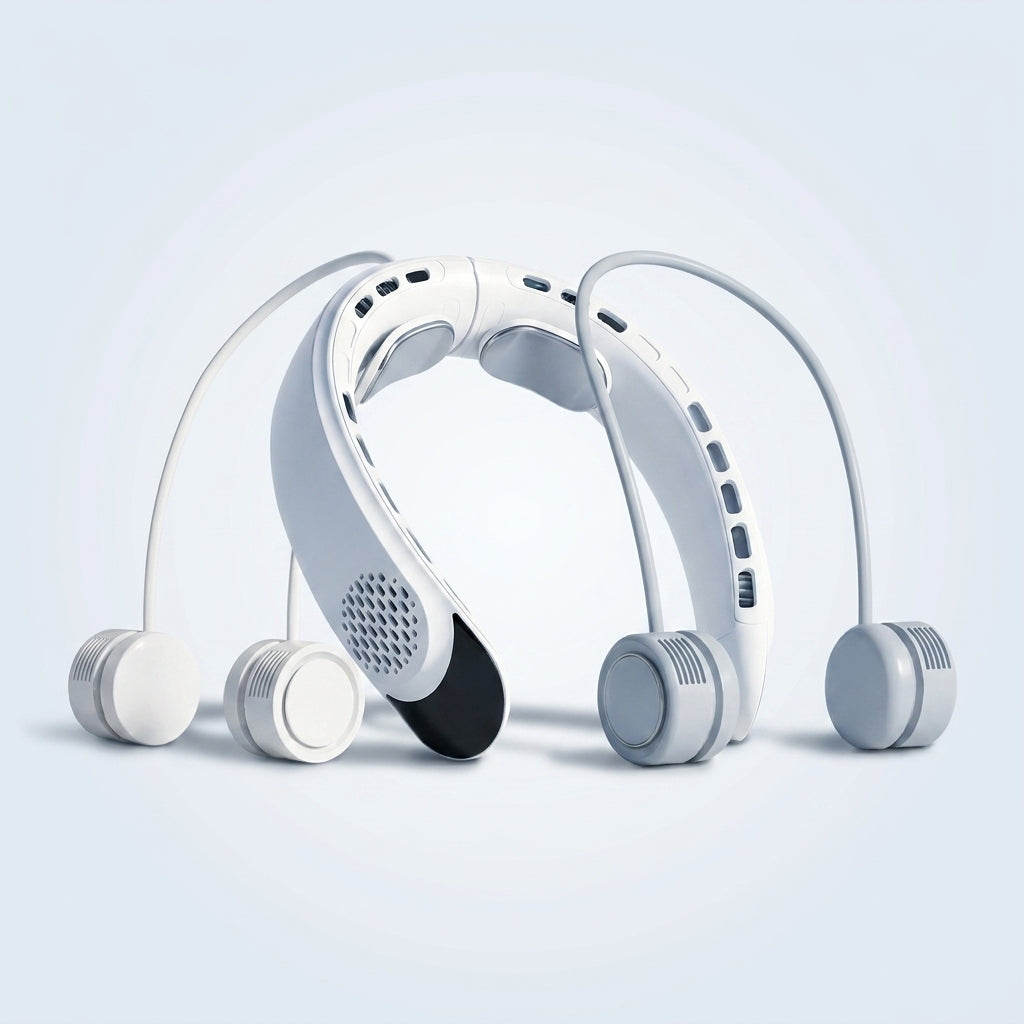
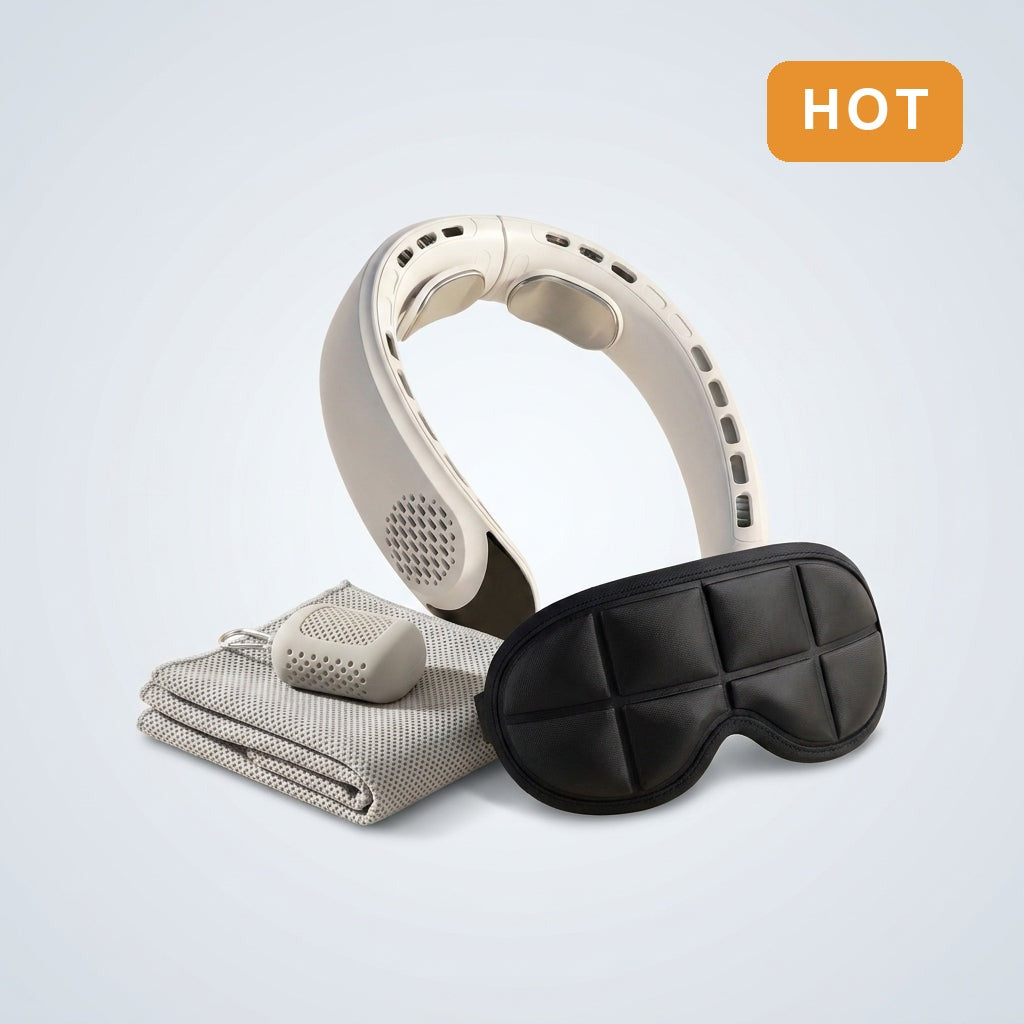
When you're mid-flash, you don't need a pill. You need cool, now. This is where wearable cooling has changed dramatically in the last few years.
Most cooling devices use one of three approaches: Peltier cooling (a small chip that gets cold on contact), airflow (a quiet fan), or cooling gel (no power needed but only works a short while).
The key thing to know: your neck is the best place to cool. Your carotid arteries run right under the skin there, carrying blood up to your brain. Cooling your neck lowers your perceived body temperature about three times faster than cooling your wrist.

The lightest cooling necklace we make
Plume is designed for the moments hot flashes find you, at work, on a date, at 2 AM. Whisper-quiet airflow, lightweight on the neck, and a 6-hour battery for the days when you need backup.
Option 4, Daily Habits That Really Help
These won't make hot flashes vanish, but the science is solid that they cut symptoms by a noticeable amount, and they help your sleep, mood, and heart at the same time.
Paced breathing
Six slow breaths per minute, for 15 minutes, twice a day. Studies show this can cut hot flashes by up to 45% on its own. It costs nothing and takes 30 minutes a day.

Strength training
Three sessions a week. Women who lift weights regularly have fewer and milder hot flashes. The exact reason isn't fully understood, but the link in studies is clear.
Losing a bit of weight (if you have it to lose)
If your BMI is over 25, losing about 10 pounds reduces hot flashes by around 23%. Fat tissue traps heat, and it also makes its own estrogen, both can keep flashes coming.
Cutting back on alcohol
One drink a day, max, and skip it completely on bad weeks. Of all the lifestyle changes, this is the one most women say makes the biggest immediate difference.
Option 5, Supplements (Honestly)
This is where marketing gets way ahead of science. The truth: most supplements are at best a small help, and many do nothing more than a placebo. Here's the honest take.
| Supplement | Does it work? | Verdict |
|---|---|---|
| Black cohosh | 20-25% reduction in some studies | Worth trying short-term (up to 6 months) |
| Soy isoflavones | Works for some women, not others | Genetic, works better if you produce a compound called genistein |
| Red clover | Very weak evidence | Skip |
| Evening primrose oil | No real evidence | Skip |
| Vitamin E | Tiny benefit at best | Cheap to try, don't expect much |
| Magnesium | Helps sleep more than flashes | Good if night sweats wreck your sleep |
| Ashwagandha | Early evidence for stress flashes | Promising, needs more research |
When to See a Doctor
Hot flashes are normal. But see a doctor if:
- They start before you turn 40 (you may have early menopause)
- They wreck your sleep more than 3 nights a week
- You also have heavy or unusual bleeding
- They come on suddenly with a racing heart and panic (could be thyroid)
- You've tried lifestyle changes for 3 months with no change
Your action plan
- Track triggers for 2 weeks, you'll see patterns.
- Talk to a doctor about HRT or Veozah. Don't suffer in silence.
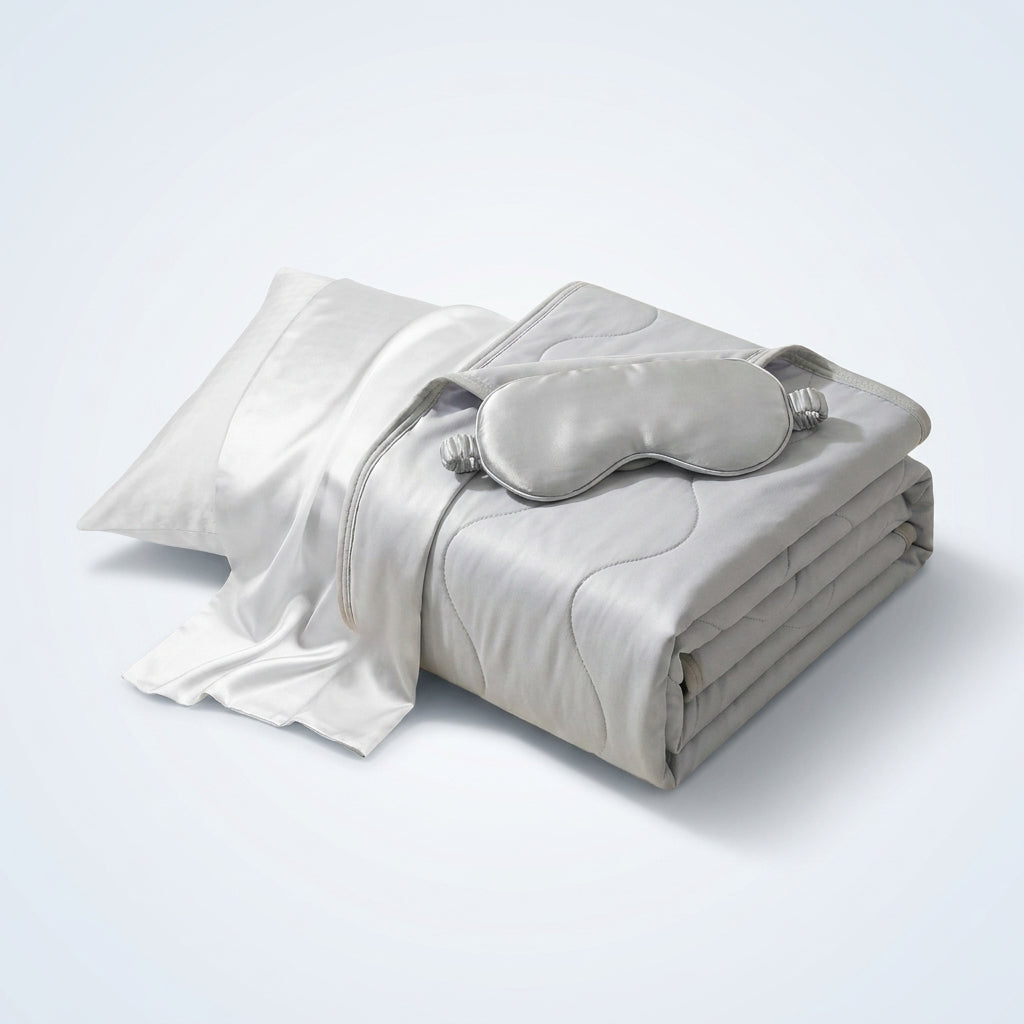
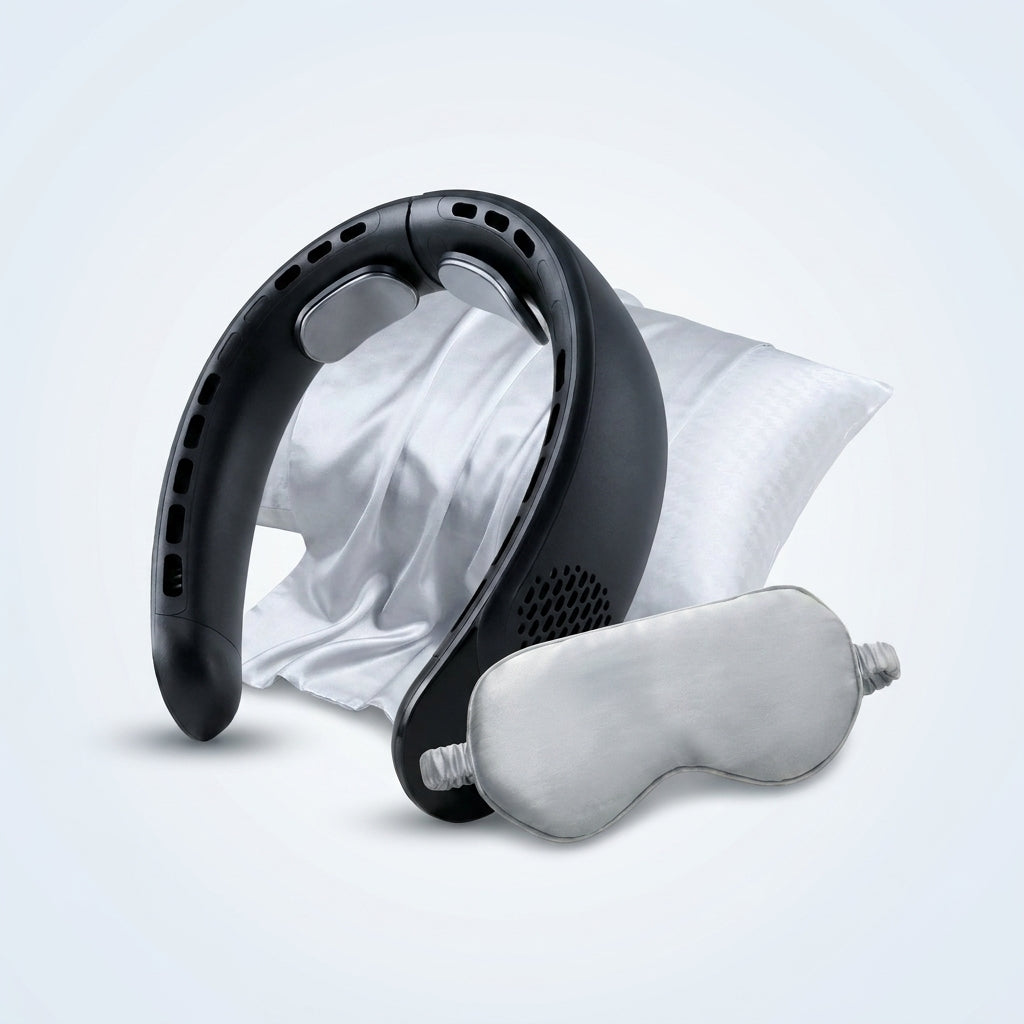
- Set up daytime + nighttime cooling, a wearable for the day, cooling sheets for the night.
- Add two daily habits, paced breathing and strength training.
- Check back in 8 weeks, if nothing's better, change the plan.
Common Questions
How long does one hot flash last?
Most last 1 to 5 minutes. Some women have longer episodes, but they almost always pass within 10 minutes.
Are hot flashes dangerous?
They're uncomfortable, but not directly dangerous. New research published in JAMA in 2024 found that women with severe, frequent hot flashes may have slightly higher heart-disease risk later in life, one more reason to treat them, not just put up with them.
Why are they worse at night?
Two reasons: your body cools down naturally at night (so the brain's thermostat is more sensitive), and your blankets and partner add heat. That's why night sweats wake you up so reliably.
Does losing weight help?
If your BMI is over 25, yes. A 2019 study found a 10-pound weight loss reduced hot flashes by 23%. Fat tissue traps heat and also makes a form of estrogen.
Is there a cure?
There's no single cure, but the combination of HRT (or Veozah) + cooling support + lifestyle changes brings 70-90% of women to a comfortable place within about 3 months.

Sources
- The Menopause Society, 2022 Hormone Therapy Position Statement
- National Institute on Aging, Hot flashes: what can I do
- Cleveland Clinic, Menopause
- ACOG, Menopause guidelines
- FDA, Veozah (fezolinetant) approval
- British Menopause Society
- Avis NE et al. (2015). Duration of menopausal vasomotor symptoms. JAMA Internal Medicine.
- Naghavi N et al. (2025). Hot Flash Prediction for the Delivery of Just-In-Time Interventions. Psychophysiology.
Cool. Calm. Composed.
Quiet, lightweight cooling necklaces, for the moments hot flashes find you. At work. At dinner. At 2 AM.
Shop the Collection


